Good to know: Labuan Bajo Dive Cruise is operated by Komodo Luxury, a real award-winning Indonesian liveaboard operator (TripAdvisor Travelers’ Choice 2022–2025, founded 2015, part of Juara Holding Group Limited). Komodo National Park (UNESCO 1991) requires park entry fees/permits — general information, verify current rates. Dive-site conditions and seasons are indicative and vary; Komodo currents are strong and many north sites are advanced. Marine life — mantas, hammerheads — is seasonal and wild, and can never be guaranteed. Prices are indicative ranges, by quote, and vary by vessel, cabin, season and trip length. Enquiries and booking via WhatsApp +62 811-3823-875 and [email protected].
A komodo dive cruise for beginners is a liveaboard trip in Komodo National Park designed around easier dive sites, mild currents, and close supervision for new divers. On a beginner Komodo diving cruise we avoid the most advanced current spots, choose sheltered bays and gentle drifts, and match your dives to your actual experience and certification, not just your card.
Is a Komodo Dive Cruise Good for Beginners?
Komodo is famous for strong currents and advanced sites like Batu Bolong and Castle Rock. That reputation is deserved. But with the right boat, guide, and itinerary, a Komodo cruise new divers can enjoy is absolutely possible.
Here’s the honest version:
- Many of Komodo’s headline sites are advanced only. New divers simply should not be dropped into heavy down-currents or full-flood conditions.
- Komodo also has sheltered bays, gentle drifts, and shallow reefs that are excellent for beginners.
- The difference between a safe, fun experience and a bad one is trip design: choosing the right route, time of year, and guide who will say “no” to a site if conditions are wrong.
At Labuan Bajo Dive Cruise (operated by Komodo Luxury), my job is to design itineraries by trip length, experience level, and interest. We run our own luxury phinisi liveaboards, Komodo Signature and Komodo Prestige, from Labuan Bajo into Komodo National Park.
Komodo National Park was established in 1980, became a UNESCO World Heritage Site in 1991, and sits inside the Coral Triangle. You get rich marine life and big tidal flows. That’s what makes it special—and what makes honest planning essential for beginners.
What “Beginner” Means in Komodo
Certification level we recommend
For most of our beginner-friendly Komodo dive cruise itineraries, we recommend:
- Minimum certification:
- PADI Open Water Diver (or equivalent)
- Logged dives:
- Ideally 6–10 recent dives in the last 12 months
If you have fewer dives or haven’t finished your Open Water course yet, you still have options (more on courses onboard below), but we will be strict about depth, conditions, and which sites we allocate to you.
Beginner vs “new to current”
Many divers arrive with 20–30 dives logged but no real current experience. For Komodo, I treat you as a “functional beginner” in current, even if your card says Advanced Open Water.
That means:
- We start with protected sites (Siaba Besar, sometimes Sebayur Kecil, sheltered bays in the central area).
- We build gradually towards mild drifts (parts of Tatawa or similar) if and only if you are comfortable, have solid buoyancy, and follow briefings closely.
- We keep you off the big current pinnacles and seamounts. Watching those sites on YouTube is not the same as holding a reef hook in 4–5 knots.
If your priority is to hammer the famous advanced sites every dive, you should read our advanced Komodo dive-cruise guide instead and make sure your skills genuinely match. For an easy Komodo dive sites cruise, we design a different route.
Beginner-Friendly Komodo Dive Sites We Use
Dive conditions in Komodo are never fixed. Currents change with tides and moon phase. A site that is easy one morning can be advanced that afternoon. What follows is indicative, not a promise; on each day we adapt to real conditions.
Typical easy and moderate sites for new divers
Some of the sites we frequently use for beginners and newer divers include:
- Siaba Besar (a.k.a. Turtle City)
- Sheltered bay in central Komodo area
- Shallow sloping reef and sandy bottom
- Often very mild current, good for check dives and training
-
Common sightings: turtles, reef fish, sand-dwelling critters, sometimes small rays
-
Siaba Kecil (only on the calmest tides / for confident beginners)
- Can have current, but we sometimes use it for a gentle drift at the right time
- Beautiful soft corals, active reef life
-
Only if tidal tables and live conditions give us a mild window
-
Tatawa Besar (drift in mild conditions only)
- Colorful coral slope, lots of fish
- On a small tide and during slack/turn of the tide, it can be a pleasant, manageable drift
-
On strong tides, this is absolutely not for beginners; we simply don’t go with you
-
Sebayur Kecil / Sebayur area
- Classic check-dive area from Labuan Bajo
- Sheltered side provides easy conditions
-
Hard coral gardens, sandy patches, macro life
-
Mawan and nearby manta cleaning areas (only in calm to moderate current)
- When current and visibility cooperate, these can be great for new divers: sandy bottom, clear cleaning stations
- We choose entry and depth carefully and keep a tight group
-
Manta rays are wild and seasonal; sightings are common in season, but never guaranteed
-
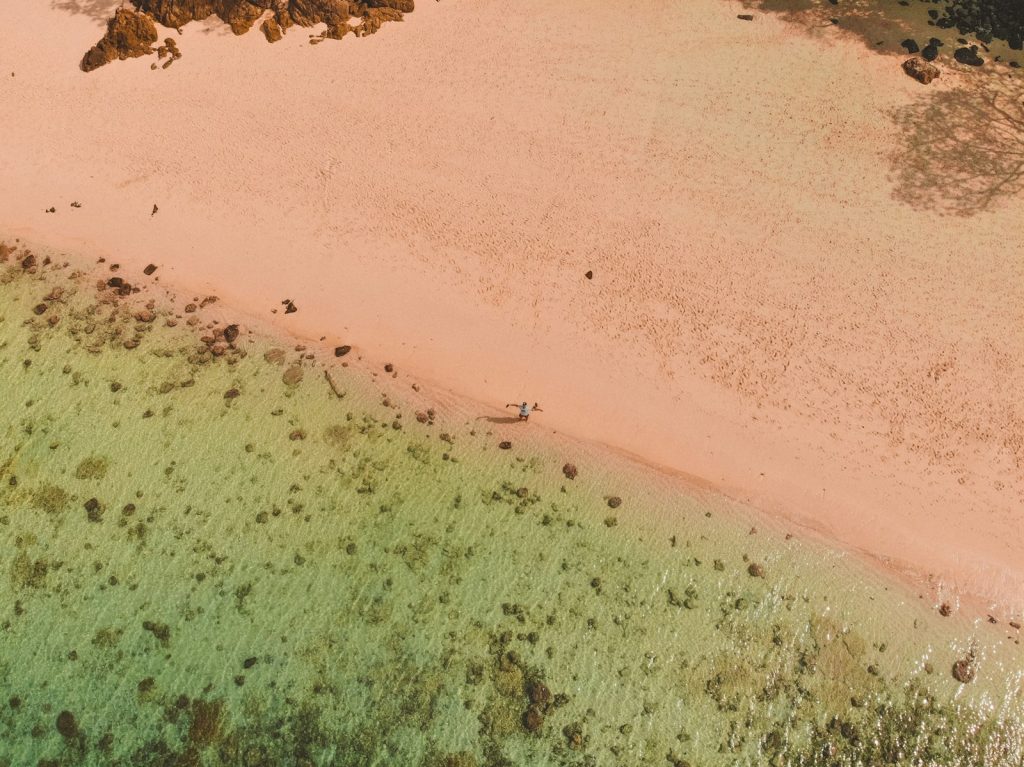
Pink Beach (for very relaxed dives / training)
- Shallow reef, sheltered from the main current channels
- Good for buoyancy practice and photography at easy depth
These are examples, not a full list. On any given cruise, we may use alternative sheltered bays depending on wind, swell, and other boats.
Sites we keep beginners away from
Strong-current sites in Komodo’s north and some central locations are not for beginners, including but not limited to:
- Batu Bolong
- Castle Rock
- Crystal Rock
- Shotgun (strong, variable current)
- Some passes and corners in the north and south on big tides
You might still be on the boat while more experienced buddies dive those sites, but you will not be in the water there as a new diver. Safety comes first, and Komodo’s currents do not forgive overconfidence.
What You Actually See as a Beginner in Komodo
Marine life highlights (honest version)
Komodo sits inside the Coral Triangle, so fish biomass and coral diversity are high even on “easy” sites. On a beginner-focused itinerary you can realistically expect:
- Healthy hard and soft coral gardens in shallow water
- Plenty of reef fish: anthias, fusiliers, butterflyfish, angelfish, wrasse, parrotfish
- Regular turtle encounters, especially around Siaba Besar and similar bays
- Reef sharks (usually white-tip / black-tip) on some reefs, often at moderate depth
- Macro life: nudibranchs, shrimps, crabs, small octopus, sometimes frogfish
- In season and with luck: manta rays on cleaning stations or passing by
What you should not expect as a beginner:
- Guaranteed manta encounters every day
- Guaranteed large pelagic action (e.g. schooling hammerheads, big tuna, GTs in heavy current)
- Long bottom times at the most extreme sites—those are for highly experienced, very current-competent divers only
Hammerhead sightings around Komodo and nearby areas are highly seasonal, deep, and often in stronger current. These dives are not appropriate for beginners, and we will not “stretch the rules” just because you ask. If your main goal is hammerheads, build your skills first.
Recommended Beginner Komodo Dive Cruise Lengths
Trip length matters. You need time to acclimatize to currents, refresh skills, and still enjoy the topside side of Komodo.
2–3 nights: “Taste of Komodo” for new divers
Good for:
- Certified divers with limited time
- Those unsure if liveaboard life is for them
- Combining a short cruise with hotel nights in Labuan Bajo
Typical beginner-focused 2–3 night cruise might include:
- 1–2 easy check dives near Sebayur / central
- 2–4 reef dives in sheltered or mild-current sites
- Optional manta-focused session if tides and season cooperate
- 1 night dive in a very protected bay, for those comfortable and qualified
Realistically, you will not cover all of Komodo in 2–3 nights. It’s a good starting point rather than “see it all.”
4–5 nights: Ideal starter Komodo dive cruise for beginners
This is the sweet spot for many new divers:
- Time to build comfort and practice in current under supervision
- Flexibility: if one day is blown out by weather or tides, we still have options
- Enough days to mix in manta, turtles, coral gardens, and one or two gentle drifts
On 4–5 nights we can:
- Do a proper skills check and refresh on day 1
- Progress from easy to moderate conditions carefully
- Add one or two night dives in controlled environments
- Include a Komodo dragon trek on Rinca or Komodo Island on a non-diving half-day
6–7 nights: For beginners who want time to progress
If you are a beginner but planning to grow your skills quickly, a longer cruise:
- Gives us time to combine training (Advanced, specialty dives) with relaxed fun dives
- Allows a wider circuit in the park if conditions allow (central + selected north or south sites for appropriate experience levels)
- Lets you rest between more demanding days; fatigue and current are a bad mix
We always manage no-fly times, and we schedule the last day’s dives accordingly.
What Level of Comfort You Need in Current
A beginner-focused Komodo cruise still involves some movement in the water. You should be:
- Comfortable with controlled descents and ascents (no rapid popping to the surface)
- Able to clear your mask calmly
- Able to maintain buoyancy without constant inflator/deflator pumping
- Ready to listen carefully at briefings and follow the guide closely underwater
We teach you current techniques progressively:
- Body position to reduce drag
- How to use the reef without damaging coral (using bare rock, not live coral)
- What to do if you get separated (surface procedure, SMB, stay calm)
If I see that your comfort level isn’t there, I will scale the dives back. I’d rather you leave Komodo wanting a bit more than scared of current forever.
Learning to Dive in Komodo: Courses Onboard
You can start or continue your PADI training during a Komodo dive cruise for beginners. Typical options:
PADI Open Water Diver (or referral completion)
- Best if you do the theory and pool at home, then complete your open water dives in Komodo (referral)
- Full zero-to-certified on the boat is possible but intensive; the logistics and schedule must be discussed beforehand
- Training dives are done at very easy sites, shallow and sheltered
Because Komodo has currents, we do not rush Open Water. We also keep student-to-instructor ratios conservative.
PADI Advanced Open Water
For beginners with around 9–20 logged dives, Advanced is a good option mid-cruise:
- One deep dive (within your training limits and only on dive-able conditions)
- One navigation dive
- Three elective dives which often include:
- Drift (in mild current)
- Night dive (in a protected bay)
- Peak Performance Buoyancy or Photography
Advanced training is a good way to structure your learning around real Komodo conditions rather than random dives. Training does not mean we suddenly treat you as a pro; your actual skill in current still dictates which sites you dive.
Specialties and refreshers
- Scuba Review / ReActivate: If you haven’t dived for a year or more
- Drift Diver Specialty: For those who want a solid foundation in current, beyond just a single “drift dive” in Advanced
- Nitrox (Enriched Air): Helpful for repetitive dives; theory can be done online pre-trip, practical on the cruise
To discuss courses and check instructor availability on a specific sailing, reach us by WhatsApp or via plan your trip.
Our Boats and Who We Are
Labuan Bajo Dive Cruise is the Komodo National Park dive-cruise specialist run by Komodo Luxury, a real Indonesian liveaboard operator founded in 2015 and part of Juara Holding Group Limited. We are properly licensed under KBLI 79120 and based in Denpasar, Bali.
- Awards: TripAdvisor Travelers’ Choice 2025 and 2026
- Fleet (owned luxury phinisi):
- Komodo Signature
- Komodo Prestige
We do not charter random boats. We operate our own vessels and crews, designed for comfort, safety, and serious diving rather than party trips. Cabins are en-suite, with air-conditioning and hotel-grade amenities, but the core of the product is still the diving.
For more on our liveaboard focus, you can also see our sister site liveaboardlabuanbajo.com.
How We Design a Komodo Cruise for New Divers
Trip design by experience, interest, and length
For each departure, I look at:
- Your group’s certification mix (Open Water vs Advanced, number of dives, last dive date)
- Your priorities: manta focus, turtles and coral gardens, macro, photography, more training, more relaxed schedule
- Trip length: 2–3, 4–5, or 6–7 nights
- Season and tides during your chosen dates
Based on that, we build:
- A primary route (north-central, central-south, or central-focused for beginners)
- A dive plan for each day with conservative depth and current estimates
- Alternative backup sites for bad weather or unexpected conditions
We divide divers into small groups by ability whenever possible, so more experienced guests can still enjoy advanced sites without pulling beginners into conditions they are not ready for.
Safety systems and briefings
On a beginner-friendly Komodo cruise, you should expect:
- Mandatory safety briefings on day 1 (boat orientation, emergency procedures)
- Detailed dive briefings before every dive:
- Entry/exit, expected current pattern, maximum depth/time, route, signals
- Surface support: boat or tender watching bubbles and pickup points
- SMBs and recommended dive computers for all divers
- Oxygen, first-aid kits, communications equipment onboard
We are blunt about conditions. If I brief a dive as “this might be too much for you today,” that is not a challenge; it’s me trying to keep your Komodo memories positive.
Seasons, Conditions, and What Beginners Should Choose
Conditions in Komodo vary through the year. These are broad patterns, not guarantees:
- Dry season (approx. April–November):
- Generally better visibility, especially in the north
- Currents still strong around new and full moon; some areas windier mid-season
-
Good for warm-water reef diving and manta encounters in certain areas
-
Transition months (approx. March–April and October–November):
- Often a good compromise for beginners:
- Less wind than peak season
- Often good visibility
-
Manta encounters can be frequent in some central sites (again: not guaranteed)
-
Wet season (approx. December–February):
- More rain, some days rougher seas or limited visibility
- Certain sites more sheltered; others affected by swell or runoff
Best time for beginners is usually outside the strongest wind and swell periods, with flexible routing in the central area. Message us with your dates and we’ll be honest about typical patterns for that window.
Indicative Prices for a Beginner Komodo Dive Cruise
We price trips based on:
- Boat (Komodo Signature vs Komodo Prestige)
- Cabin type (master suites vs standard cabins)
- Trip length (2–3, 4–5, 6–7 nights)
- Season (peak vs shoulder)
- Charter type (shared cruise vs full private charter)
As a very rough, last verified June 2026 guide (subject to change):
- Shared-cruise, per person, 2–3 nights:
- Typically runs from mid to high three-figure USD per person, depending on boat and cabin
- Shared-cruise, per person, 4–5 nights:
- Typically around low to mid four-figure USD per person
- Private-charter, full boat, 3–7 nights:
- Typically mid four-figure to low five-figure USD per night, depending on vessel, season, and inclusions
Exact quotes depend on your dates and group size. For a precise quote for your beginner Komodo diving cruise, email us or message on WhatsApp and we’ll scope options without pressure.
Park fees and what’s included
Komodo National Park charges entry fees, diving permits, and other charges that vary over time and by nationality, activity type, and day of the week. These are government-controlled and can change.
- Expect park and diving fees to be charged separately from the cruise rate or itemized in your quote.
- We will confirm the latest applicable rates during your booking process and update you if regulations change.
Usually, our cruise rates include:
- Accommodation in your chosen cabin
- Meals, snacks, drinking water, basic non-alcoholic drinks
- Diving with guide, boat crew, and tank/weights
- Use of tenders for dive drops and pickups
They usually do not include:
- Park fees and permits
- Dive gear rental (if you don’t bring your own)
- Courses and certification fees
- Alcoholic beverages, tips, and personal expenses
Again, specifics are always confirmed during quotation.
Sample Itinerary Comparison for Beginners
- 2–3 Night Beginner Cruise
- Check dives near Sebayur/central, 4–6 dives total, focus on very easy sites, optional short land excursion, suitable as first Komodo experience.
- 4–5 Night Beginner Cruise
- 8–14 dives, mix of easy bays and mild drifts when conditions allow, good chance to include manta cleaning sites and a Komodo dragon trek.
- 6–7 Night Beginner/Progressive Cruise
- 12–20+ dives, time for Advanced or specialties, can include a wider circuit while still keeping you on appropriate sites, more rest days built-in.
- Beginner with Courses
- Open Water referral or Advanced integrated into a 4–7 night trip, with training dives at sheltered sites and additional fun dives to practice.
Use this as a planning tool, not a rigid promise. On every departure we respond to the real ocean.
How to Book or Ask if a Trip Suits Your Level
The most important step is an honest conversation about your experience, comfort in current, and expectations. Tell us:
- Your certification level and agency
- Number of logged dives and last dive dates
- Any strong currents or challenging conditions you’ve dived before
- Your top priorities (manta focus, relaxed reefs only, training-heavy, photography)
Then we can:
- Recommend trip length and best season window for you
- Suggest a specific departure on Komodo Signature or Komodo Prestige
- Decide if you should add a refresher or course
You can reach us at:
- WhatsApp: +62 811-3823-875
- Email: [email protected]
Or use our site to plan your trip and we’ll follow up.
FAQs: Komodo Dive Cruise for Beginners
Can beginners do a Komodo dive cruise?
Yes, beginners can safely join a Komodo dive cruise if the itinerary is designed around easier sites, mild currents, and your real experience level. We keep new divers away from the strongest current sites and use sheltered bays and carefully timed drifts instead.
What certification do I need to dive Komodo as a beginner?
For most beginner-friendly itineraries we recommend at least PADI Open Water Diver (or equivalent) and around 6–10 recent dives. If you have fewer dives or are still in training, we can discuss doing a referral or course onboard and limit your dives to very easy conditions.
Which Komodo sites are suitable for beginners?
Indicatively, sites like Siaba Besar, sheltered parts of Sebayur, Pink Beach, and some manta cleaning areas in calm conditions are suitable. Gentle drifts on Tatawa Besar or Siaba Kecil may be possible on the right tides for confident beginners. Advanced current sites like Batu Bolong and Castle Rock are not appropriate for new divers.
Can I learn to dive or do my course on a Komodo cruise?
Yes. You can complete an Open Water referral, do your full Open Water (with planning), or take Advanced Open Water and specialties like drift or nitrox. Training dives are done at very easy sites first, and we never push students into strong current.
Will I definitely see manta rays as a beginner in Komodo?
No. Manta rays are seasonal and wild animals, so sightings are never guaranteed. On the right season and sites, beginners can often see mantas from shallow depths in manageable conditions, but we will only schedule those dives if currents and visibility are safe for your level.
If you want a straight answer on whether a specific departure matches your skills, send your dive history on WhatsApp or through plan your trip and I’ll give you an honest assessment before you book.