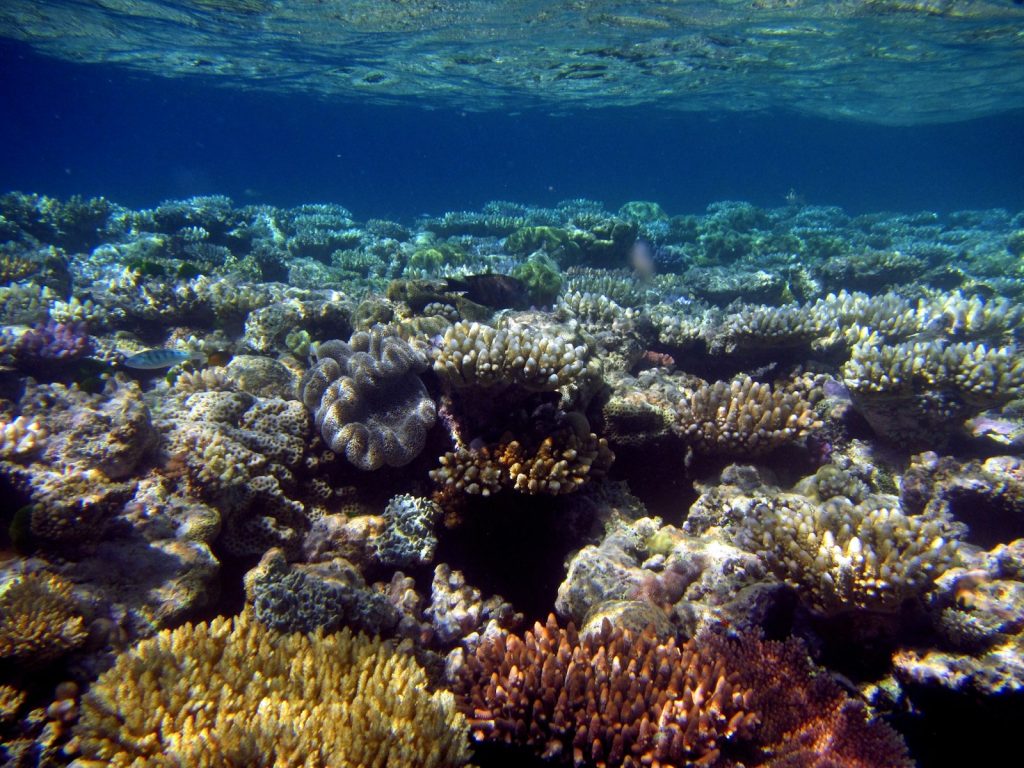
Good to know: Labuan Bajo Dive Cruise is operated by Komodo Luxury, a real award-winning Indonesian liveaboard operator (TripAdvisor Travelers’ Choice 2022–2025, founded 2015, part of Juara Holding Group Limited). Komodo National Park (UNESCO 1991) requires park entry fees/permits — general information, verify current rates. Dive-site conditions and seasons are indicative and vary; Komodo currents are strong and many north sites are advanced. Marine life — mantas, hammerheads — is seasonal and wild, and can never be guaranteed. Prices are indicative ranges, by quote, and vary by vessel, cabin, season and trip length. Enquiries and booking via WhatsApp +62 811-3823-875 and [email protected].
Komodo diving currents cruise planning means understanding how tides and underwater topography shape your dives from a liveaboard, then matching sites and seasons to your experience level. On a Komodo cruise, currents are the single biggest factor deciding where you can safely dive, what you are likely to see, and how many “adrenaline” versus “easy” drifts end up on your logbook.
As Komodo Luxury’s dive guide team out of Labuan Bajo, I’ll walk you through how currents work in this park, which sites are truly advanced, what “moderate” really feels like here, and how we build safe, rewarding itineraries on our Komodo Signature and Komodo Prestige luxury phinisi.
Why Komodo’s Currents Are Different
Komodo National Park sits right on the meeting point of the Pacific and Indian Oceans. That means tidal exchanges are powerful, and the channels between islands act like funnels.
Three practical consequences for you on a drift diving Komodo cruise:
- Currents change fast. A site that’s glassy on the first dive can be racing on the second.
- Down‑currents and up‑currents are real. Especially at corners, pinnacles and steep drop‑offs.
- Life is here because of those currents. Big fish, mantas and rich coral all feed on that flow.
You don’t need to be a superhero to enjoy Komodo current diving, but you do need realistic expectations and honest briefings. That’s our job.
Types of Currents You’ll Experience in Komodo
Horizontal currents: your standard drifts
Most dives here are horizontal currents along a reef or slope:
- Mild (0–0.5 knots, indicative): You fin gently; perfect for photographers and newer divers.
- Moderate (0.5–1.5 knots): Classic Komodo drift; you relax, trim well and let the reef pass by.
- Strong (1.5+ knots in places): You need confident buoyancy, fast descents and good situational awareness.
The same site can swing between these categories within a tide cycle. That’s why our briefings always talk about expected conditions, not guarantees.
Down‑currents and up‑currents
You can meet vertical water movement on walls and exposed corners, particularly on advanced northern sites.
Good practice:
- Stay at least a few metres off sharp corners where water wraps around.
- Keep neutral and streamlined; don’t cling to the reef.
- If you feel a down‑current: stay horizontal, add a little gas to your BCD, fin at 45° away from the wall into blue water. Your guide will demo this on briefings for current sites.
Thermoclines and surge
Komodo’s mixing waters bring frequent thermoclines, especially in central and southern areas:
- Sudden temperature drops are normal.
- Visibility can layer: 10 m in the cold current, 20 m above or below.
On some shallow reefs you’ll also feel surge from swell. Relax your body, move with it, and avoid fragile coral when the surge pulls backward.
Key Komodo Current Dive Areas (By Region)
Below is an indicative overview of how we group sites by region and typical current profile. Depth ranges and levels are broad guides, not fixed limits; exact profiles and requirements are always set per cruise, per day.
| Region | Typical Style | Indicative Max Depth Range* | Current Profile | Typical Level |
|---|---|---|---|---|
| Central Komodo | Reefs, seamounts, manta points | 18–30 m | Variable, from mild to strong | Confident Open Water & above |
| North Komodo | Seamounts, walls, fishy corners | 20–30 m+ | Often strong & complex | Advanced / 30+ logged dives |
| South Komodo | Cooler, nutrient‑rich reefs | 15–25 m | Mild to moderate, sometimes surgy | Open Water & above |
*Depths are typical planning ranges, not fixed or guaranteed maximums.
Komodo National Park itself was established in 1980 and became a UNESCO World Heritage Site in 1991; due to its conservation status, conditions and access rules can evolve, so we always adjust in real time.
Central Komodo: Classic Drifts & Manta Highways
Most divers on a komodo diving currents cruise will spend a big share of time in the central area. It offers a good balance: action, drifts, but also manageable conditions for intermediate divers.
Typical signatures of central Komodo:
- Channels where tides funnel between islands.
- Manta cleaning and feeding sites (seasonal and never guaranteed).
- Seamounts with current‑swept ridges, then calmer lee sides.
On a 3–4 night cruise with Komodo Luxury, central sites usually form the backbone of the itinerary, with north and/or south added depending on experience and season.
North Komodo: Advanced Komodo Current Diving
The north is where currents earn their reputation. Think more open‑ocean exposure, more current acceleration around points, and more need for precise timing.
As a rule of thumb:
- We bring advanced divers or experienced intermediates with recent current experience here.
- We aim to hit sites at slack or easing tide, not peak flow.
- If the water is racing or eddying unpredictably, we change the plan. No big fish is worth a bad drift.
Expect:
- Fast drifts along slopes.
- Swept‑clean rock outcrops with big schools when the flow is right.
- Possible down‑currents around corners; this is where listening to the briefing matters.
If you’re a new diver, north Komodo is not the place to “learn currents from scratch.” We would usually keep you in central and southern sites until your comfort and control are clearly there.
South Komodo: Cooler Water, Softer Flow
Southern Komodo and nearby areas are typically:
- Cooler (you’ll feel the thermoclines).
- Very nutrient rich.
- Often milder in current than the most exposed northern seamounts, though conditions can still change.
On longer trips (5–7 nights), adding the south gives you a very different feel: softer light, colorful shallow reefs, macro life in places, and occasional surge in exposed bays.
Again, currents are still Komodo‑strong compared to many destinations; “easy” here is not the same as a sheltered tropical lagoon elsewhere.
Matching Cruise Length & Currents to Your Experience
Many guests book a drift diving Komodo cruise based mainly on calendar dates and holiday time. From my side as a guide, I strongly recommend thinking in three dimensions: trip length, experience level, and your comfort with current.
Indicative trip patterns with Komodo Luxury
These are typical patterns we use when building itineraries aboard Komodo Signature and Komodo Prestige. Exact routes depend on season, tides, park regulations and safety.
- 3 days / 2 nights (short escape)
- Focus on central Komodo. A handful of current‑affected drifts balanced with calmer reefs. Good for confident Open Water divers and above. Limited flexibility if tides are tricky.
- 4 days / 3 nights
- Central focus with potential for a taste of north or south, conditions and diver experience permitting. Ideal compromise if you want variety but have limited time.
- 5–6 days
- Gives us room to play the tides. We can plan windows for livelier current dives in the north while still ensuring recovery dives and calm options.
- 7+ days
- Best for serious current lovers and photographers who want both action and patient macro/reef time. Allows us to adjust more around moon phases and weather systems.
For specific dates, routes and indicative pricing ranges (last verified June 2026), reach us directly via WhatsApp at +62 811-3823-875 or email [email protected], or simply plan your trip with the team.
Certification Levels & Current Readiness
Honest answer: Komodo is not a beginner‑training destination. You can join as an Open Water diver, but some sites will be off‑limits and we will be careful with currents.
Minimum recommended levels
-
Open Water (or equivalent):
You can enjoy many central and southern dives, usually kept shallower and away from the heaviest flow. Expect some drifts; your buoyancy and ear‑clearing should be solid. -
Advanced Open Water:
This unlocks more flexibility. You can join deeper drifts and more varied terrain. We still assess current skills, not just your card. -
30–50+ logged dives, including current dives:
This is where Komodo’s stronger sites become enjoyable rather than stressful. If you’re used to controlled descents, DSMB use and staying with a group in flow, you’ll get more out of north‑Komodo style dives.
If you’re newly certified or rusty, tell us straightforwardly. We can adapt: easier profiles, more time on calmer reefs, and skills refreshers at the start of the trip.
How We Actually Plan Current Dives on a Cruise
Having a luxury phinisi is nice. Having the flexibility to move with tides is better.
Here’s what happens behind the scenes on a komodo diving currents cruise with Komodo Luxury:
-
Tide & moon checks
Before and during the trip, we watch tide tables and moon phases. Spring tides (around full/new moon) mean more current; neap tides usually mean gentler flow. -
Site selection the night before
We sketch a plan for next day dives based on tide timing, your experience and what you’ve already seen. If most of the group is advanced, we may schedule a spicier site for the first morning dive when you’re fresh. -
Surface condition checks
On approach we read the water: rip lines, whirlpools, standing waves. If it looks wrong compared to the plan, we change sites. -
Entry technique matched to current
– Mild current: Standard giant stride or backroll, then group descent.
– Stronger current: Negative entries (no air in BCD, quick direct descent) for experienced groups when needed and only after thorough briefing. -
Exit strategy & DSMB use
You’ll see our guides using delayed surface marker buoys as standard. We expect certified divers to be familiar with DSMBs; if not, we can run a quick practice in mild conditions on day one.
Komodo Seasons, Currents & Wildlife Reality
Seasonality of currents
Komodo is diveable year‑round, but patterns shift:
- Generally drier, clearer, warmer months often bring nicer surface conditions and good visibility in the north and central zones.
- Transition periods can give you a mix of cooler thermoclines, shifting plankton and more changeable visibility.
- Cooler months often mean richer nutrients in southern and central areas but potentially rougher surface conditions in some channels.
Currents themselves are driven more by tides and bathymetry than by calendar alone, but wind and swell do affect site choice and comfort.
Mantas, hammerheads and big fish: honest expectations
-
Manta rays are present in the park year‑round, but sightings peak in certain months when plankton and cleaning conditions are favorable.
Even in high season, sightings are never guaranteed. -
Hammerheads and pelagic sharks are occasional visitors, more likely at specific sites and seasons with cooler, current‑rich water.
They are not a daily feature of standard itineraries, and any operator promising them “on demand” is over‑selling. -
Reef sharks, turtles, schools of jacks, fusiliers and snappers are common in healthy numbers at many current‑swept sites, but again, wildlife is wild. We plan for probability, not certainty.
We will always tell you realistically today what your chances are at a given site and choose dives to maximize your overall trip quality, not chase a rumor of a shark that passed by last week.
Safety: How to Stay in Control in Komodo Currents
From my perspective guiding here, divers get into trouble less from the strength of current and more from a mismatch between expectation and reality. A few practical habits go a long way.
Before the dive
-
Listen to the current briefing.
We will draw the reef, expected current direction, likely eddies and escape routes. -
Be honest about your comfort.
If a dive sounds beyond you, say so. It’s my responsibility to offer an alternative or modify the plan.
During the dive
-
Stay close to the reef in strong flow.
A bit lower and closer to the slope often reduces current speed. -
Avoid the exact corner.
That’s where down‑currents and turbulence usually sit. -
Watch your guide, not just your computer.
If the guide changes depth or moves out from the wall, there’s a reason. -
If separated, don’t chase against the current.
Follow the briefed plan: search briefly, then ascend safely and deploy your DSMB.
After the dive
- Debrief honestly.
If it felt too much, tell us. We may lower the intensity for the next dive or adjust buddy groupings.
Komodo Luxury’s dive operations are run with a safety‑first mindset. We’re here to give you memorable dives, not scary ones.
Park Fees, Permits & Practicalities
Komodo National Park has its own system of entry, conservation and diving fees, plus camera and other permits that can change over time.
- Fees are typically paid per person, per day in the park, with supplements for diving days.
- There may be different rates for weekdays, Sundays/public holidays and for foreign vs Indonesian guests.
- Exact amounts and structures are updated by local authorities; we recommend confirming the latest breakdown when you enquire.
On our side:
- We handle all required park permits and standard dive permissions for you.
- Your cruise quote will outline what is included and what is paid locally on site.
Because fees and fuel costs shift, prices are indicative ranges only and always by quote (last verified June 2026). Contact the sales team for current estimates tailored to your dates and group size.
If you’re ready to start tailoring a Komodo currents‑focused liveaboard, message us on WhatsApp at +62 811-3823-875 or plan your trip and we’ll respond with specific route options and ranges.
Why Cruise Komodo with Komodo Luxury
Labuan Bajo Dive Cruise is operated by Komodo Luxury, a dedicated liveaboard specialist in Labuan Bajo since 2015 and part of Juara Holding Group Limited. We focus on small‑group, premium‑service exploration of Komodo National Park.
Key points that matter for current‑heavy diving:
-
Our own fleet:
We operate our own luxury wooden phinisi vessels, Komodo Signature and Komodo Prestige, purpose‑built and outfitted for multi‑day diving in the park. That gives us control over schedules, routes and safety standards. -
Consistent recognition:
Komodo Luxury has received TripAdvisor awards in 2025 and 2026, reflecting sustained guest feedback over multiple seasons of cruising and diving. -
Dive‑led itineraries:
Routes are designed around tides, seasons and diver ability rather than just scenery. We can and do change plans mid‑trip if currents or wind say so. -
Linked expertise:
Our sister site, liveaboardlabuanbajo.com, extends that focus to a wider liveaboard audience, but the core: honest briefings, realistic wildlife expectations, and rigorous guiding remain the same.
We’d rather explain why a site is not suitable today than tow a group through a ripping channel just because it’s “famous.”
FAQs
Is Komodo too advanced for Open Water divers?
No, but not all sites will be suitable. As an Open Water diver you can enjoy many central and southern dives with mild to moderate current, guided conservatively. Very current‑exposed northern sites and complex drifts will be reserved for more experienced or advanced‑certified divers. We match the daily plan to the lowest experience level on board or split groups when possible.
What certification do I really need for strong Komodo current dives?
For the wilder north‑Komodo style currents, Advanced Open Water (or equivalent), comfort to at least 25–30 m, and recent experience in drifts are strongly recommended. Around 30–50 logged dives including some current exposure is a good baseline. A card alone is not enough; how you control buoyancy and react in flow matters more than your total number of dives.
Can I learn to handle currents during my Komodo cruise?
You can refine current skills here, but Komodo is not ideal for your very first current experience. We can use milder sites early in the trip to practice positioning, DSMB use and controlled descents, then gradually increase challenge if you’re comfortable. If you have never drift‑dived at all, discuss this with the sales team before booking so we can recommend a suitable itinerary and season.
Are manta sightings guaranteed on a Komodo liveaboard?
No. Mantas are present year‑round with peak seasons at certain times, but they are wild animals. Even at well‑known cleaning or feeding stations you may see many mantas, a few passing individuals or none at all on a given dive. We choose sites and timings to maximize your chances, but we never guarantee big‑animal encounters.
How do I choose the right Komodo cruise length for currents and variety?
If you mainly want a taste of Komodo with manageable currents, 3–4 days focused on central sites is usually enough. For a blend of central action plus north and/or south, 5–6 days gives us room to play the tides. Seven days or more is best if you love currents, want flexibility around weather and moon phases, and hope to repeat favorite sites. Contact us on WhatsApp at +62 811-3823-875 or plan your trip to match dates, experience and budget to the right cruise length.